The Space Between
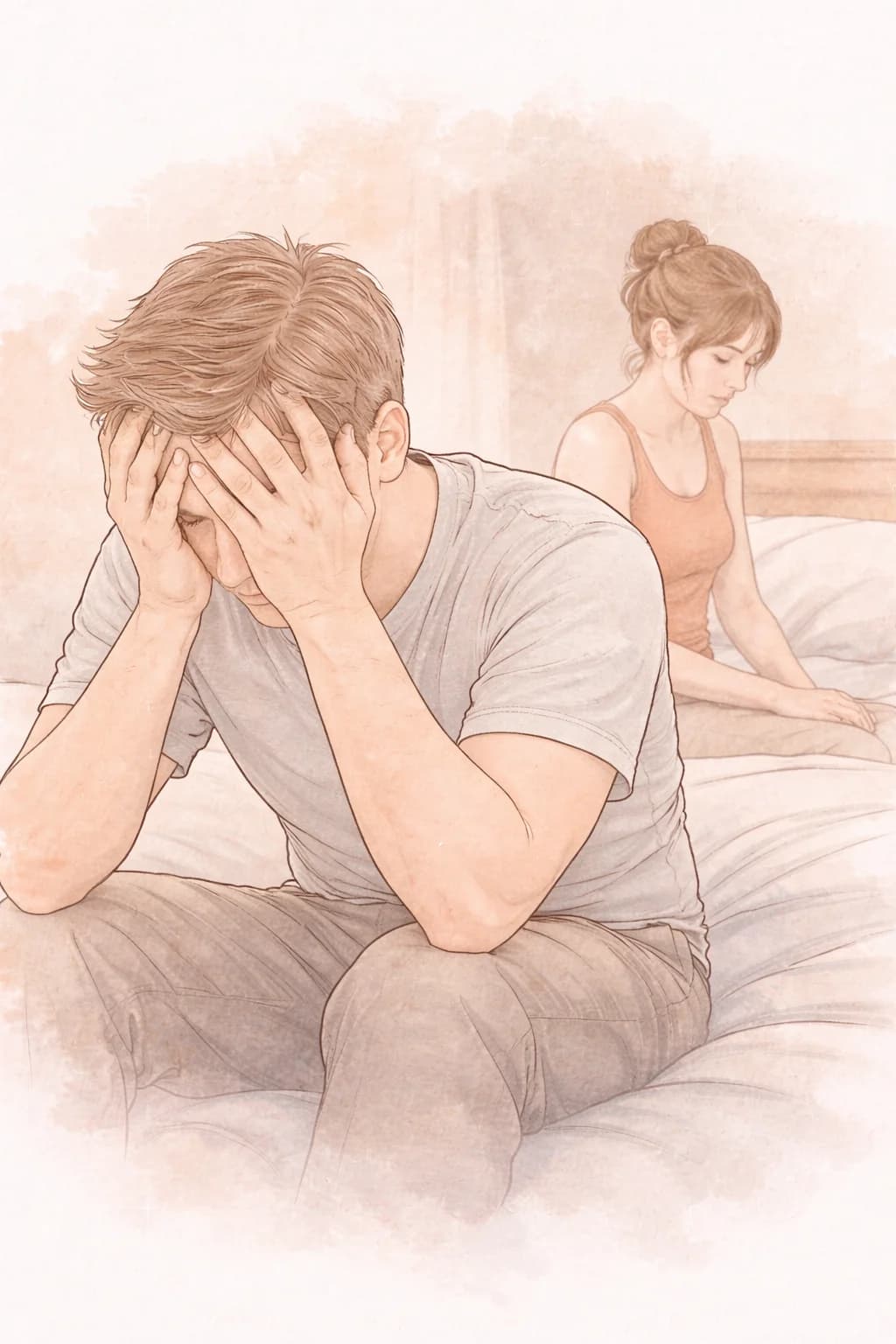
When couples begin to struggle in their sexual relationship, it often feels like the problem is clear. One partner has lost desire. The other feels rejected. Sex becomes less frequent, more tense, or disappears altogether.
At first glance, it seems like a sexual problem.
But in most cases, what's happening beneath the surface is far more complex. Sexual difficulties are rarely just about sex. They are often a reflection of something deeper — something emotional, relational, or even physiological — that is quietly shaping the connection between two people.
Sex as a Mirror of the Relationship
In long-term relationships, intimacy doesn't exist in isolation. It is deeply connected to how partners relate to one another outside the bedroom — how they communicate, how safe they feel, how they handle conflict, and how emotionally connected they are.
Sex often becomes a mirror of the relationship.
When there is tension, resentment, or disconnection, it tends to show up in intimacy. When there is closeness, safety, and curiosity, intimacy tends to feel more natural and alive.
This is why focusing only on "fixing the sexual problem" often doesn't work. If the deeper relational patterns remain unchanged, the symptoms usually return.
The Myth of "His Problem" or "Her Problem"
Many couples come into therapy believing that one partner is the source of the issue.
"He has performance issues." "She has no desire." "He finishes too quickly." "She avoids intimacy."
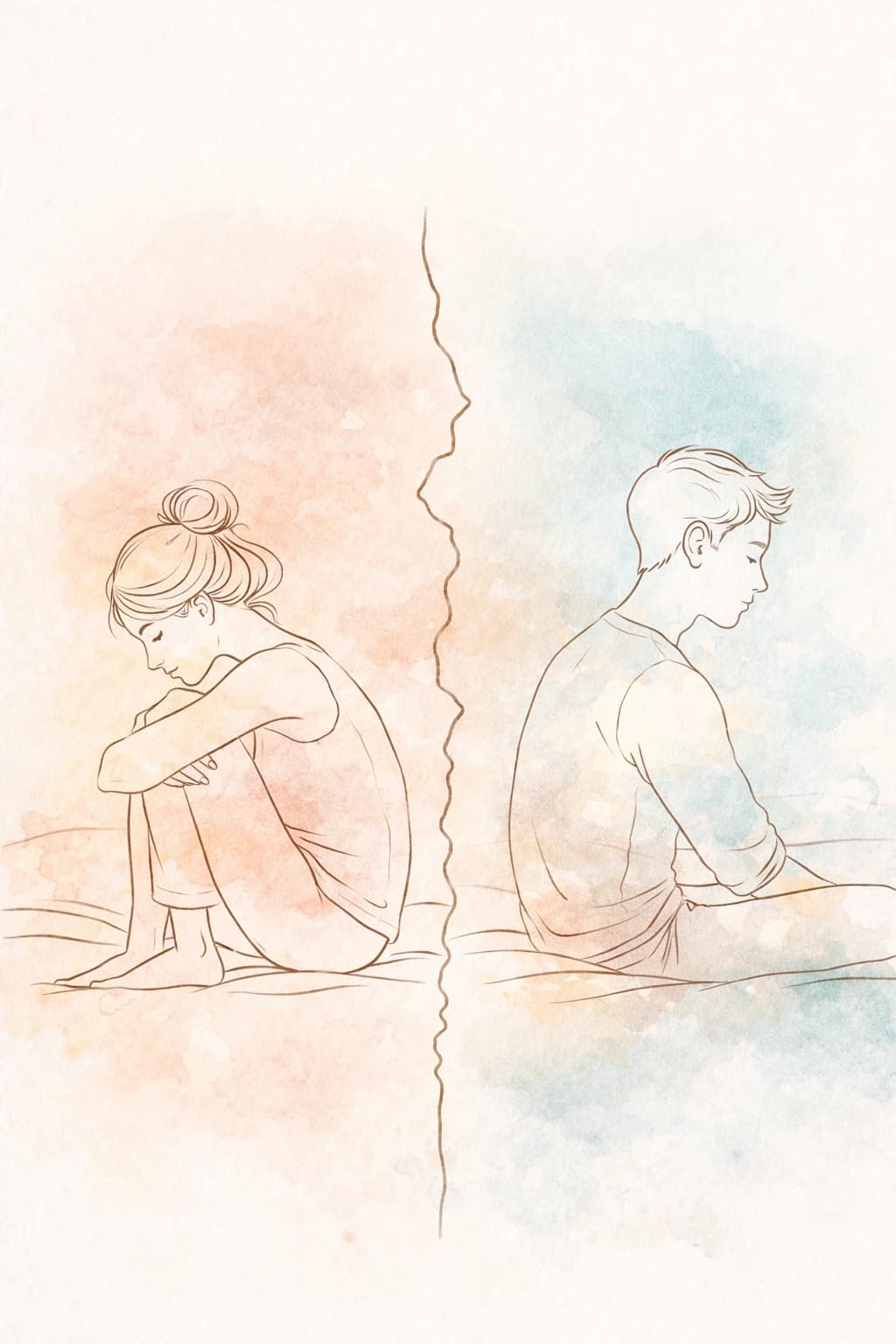
While these experiences are real, framing them as individual problems can be misleading. In most cases, sexual difficulties are not located in one person — they exist in the dynamic between two people.
For example, a partner who experiences erectile difficulties may not only be dealing with physiology, but also performance anxiety, pressure, or fear of failure. A partner who has lost desire may not be "low libido," but instead feeling emotionally disconnected, overwhelmed, or unseen.
When we shift from blame to understanding the system, something important happens. The problem becomes shared, and therefore changeable.
The Role of the Nervous System
One of the most overlooked aspects of sexual connection is the role of the autonomic nervous system.
Sexual arousal requires a certain level of safety and relaxation in the body. When the body is in a fight-or-flight state — due to stress, anxiety, or emotional tension — sexual functioning naturally becomes more difficult.
This can show up as:
- Difficulty becoming aroused
- Erectile challenges
- Rapid or delayed ejaculation
- Disconnection from sensation
- Reduced desire
This is not a failure. It is physiology doing exactly what it is designed to do.
In many cases, what looks like a "sexual problem" is actually a stress response.
Desire Is Not One-Size-Fits-All
Another common misunderstanding in relationships is the belief that desire should look the same for both partners.
In reality, people experience desire in very different ways.
Some people feel spontaneous desire — it appears naturally, without much prompting. Others experience responsive desire — it emerges only after connection, touch, or emotional closeness has already begun.
When couples don't understand this difference, they often personalize it. "You don't want me." "You're not attracted to me anymore."
But often, the issue is not rejection — it's a difference in how desire is activated.
Understanding this can immediately reduce tension and open the door to new ways of connecting.
The Impact of Life, Stress, and Change
Sexual connection is also highly sensitive to life circumstances. Factors such as pregnancy and childbirth, hormonal changes, illness or medication, parenting stress, work pressure, and body image changes can all significantly impact desire and intimacy.
In long-term relationships, it is natural for sexuality to change over time. What worked at the beginning of a relationship may not work years later.
The couples who maintain intimacy are not the ones who avoid change — they are the ones who learn how to adapt together.
Beliefs, Shame, and Unspoken Expectations
Many sexual struggles are rooted in beliefs that were never consciously examined. Beliefs like:
- "Sex should always be spontaneous"
- "If my partner loved me, they would want me"
- "Something is wrong with me if I don't feel desire"
- "Good sex should happen naturally"
These ideas can create pressure, shame, and unrealistic expectations. When reality doesn't match these beliefs, couples often feel confused or inadequate.
Part of the work in sex counseling is helping people identify and gently challenge these assumptions, creating space for a more flexible and compassionate understanding of intimacy.
Communication: The Missing Link
One of the most common patterns in struggling couples is not that they don't care about each other — it's that they don't know how to talk about intimacy safely.
Conversations about sex often trigger defensiveness, shame, blame, or withdrawal. So couples stop talking about it altogether.
But silence doesn't solve the problem — it usually deepens it.
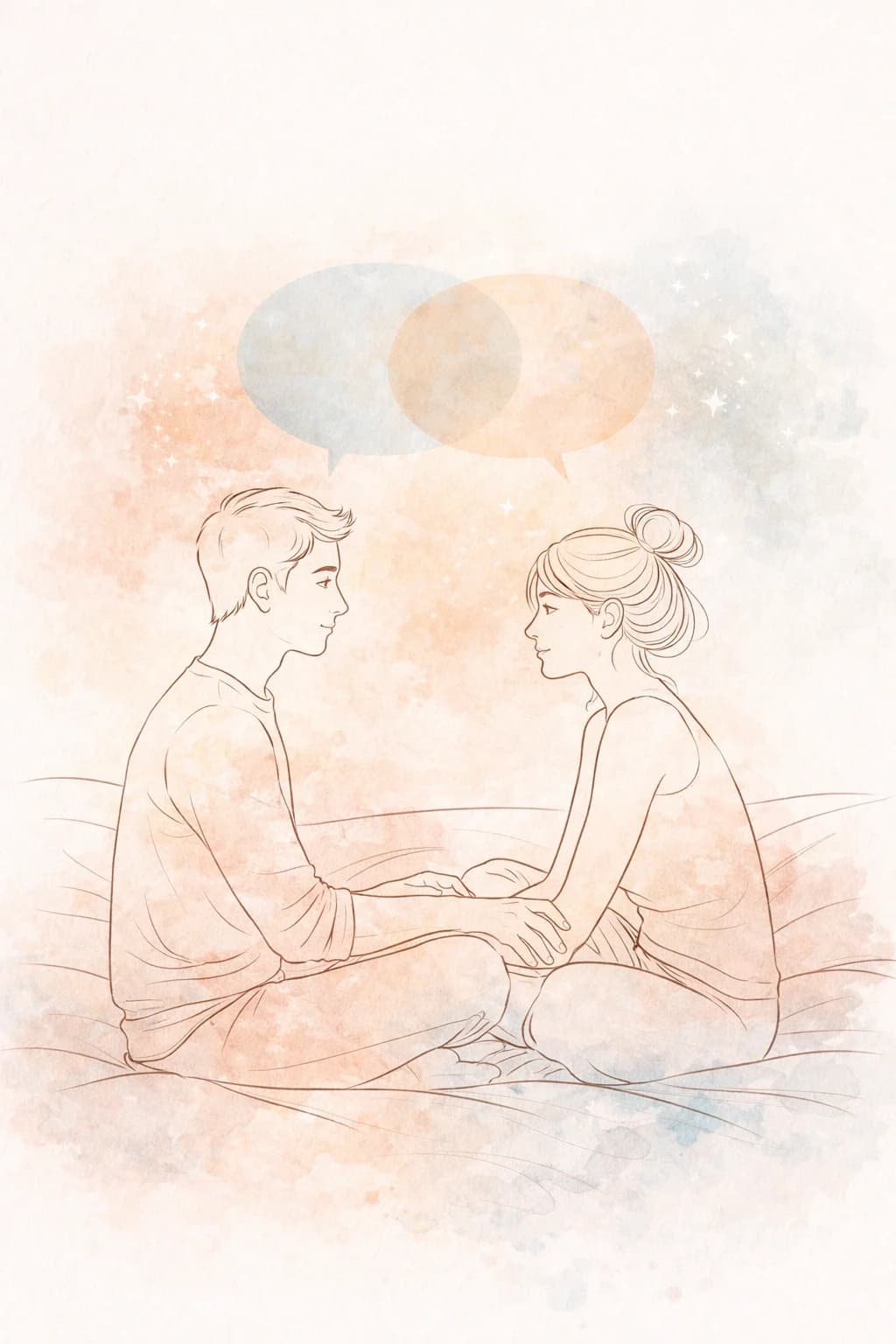
Learning how to communicate about intimacy — through active listening, expressing needs without blame, and staying connected during difficult conversations — can dramatically shift both emotional and physical closeness. This is one of the core areas explored in couples counseling.
Understanding your partner's love language can also help bridge emotional gaps and create a safer space for intimate conversations.
From Performance to Connection
When sex becomes a place of pressure, evaluation, or performance, it often stops being a place of connection. The focus shifts from "How do we feel together?" to "Am I doing this right?"
This shift alone can disrupt arousal, desire, and enjoyment.
Rebuilding intimacy often means moving away from performance and back toward presence, curiosity, emotional connection, and playfulness.
This is where real change begins.
A Different Way of Understanding Intimacy
When we begin to see sexual difficulties not as isolated problems but as part of a larger relational system, something shifts.
Instead of asking "What's wrong with us?" we begin to ask "What is this pattern trying to show us?"
This perspective opens the door to deeper understanding, compassion, and meaningful change.
Because in the end, intimacy is not just about sex. It is about how two people meet each other — emotionally, physically, and psychologically — and how they learn to stay connected even as life changes around them.
Frequently Asked Questions
Sometimes surface-level issues may improve with reduced stress, but deeper relational patterns typically require intentional work. If a sexual difficulty has persisted for more than a few months, it is usually a signal that something in the relationship dynamic needs attention. Sex counseling can help uncover and address these patterns.
In many cases, it is both. Physical and emotional factors are deeply intertwined. Stress, anxiety, and relational tension can cause real physiological symptoms like reduced arousal or erectile difficulties. A good starting point is ruling out medical causes with your doctor, while also exploring the emotional and relational context in therapy.
Absolutely. Desire naturally fluctuates due to life stages, hormonal changes, stress, and shifting relationship dynamics. The key is not whether desire changes, but whether both partners can adapt and communicate about those changes openly.
Spontaneous desire appears on its own, without prompting. Responsive desire emerges only after physical or emotional connection has already begun. Neither type is better or more valid. Understanding which pattern you and your partner tend toward can reduce tension and open new ways of connecting.
Begin by creating safety in conversation. Learn to talk about intimacy without blame or judgment. Explore each other's emotional needs, not just physical ones. Understanding your love languages can also help. If you would like professional guidance, you are welcome to reach out.